BLOG

09/Aug/2013

Avocado Vinaigrette Dressing (Makes 2 cups)

1 avocado
1/2 cup water
1/2 an orange, peeled
Pinch sea salt
1/2 cup olive oil
1/4 cup white wine vinegar

Preparation:  Peel the avocado and remove the pit. Place the avocado flesh in a blender or processor. Add in the water, half an orange, sea salt, olive oil, and white wine vinegar. Process the mixture on high until smooth and creamy. Add additional water if the dressing is too thick. Spoon the dressing on top of the avocado and arugula.


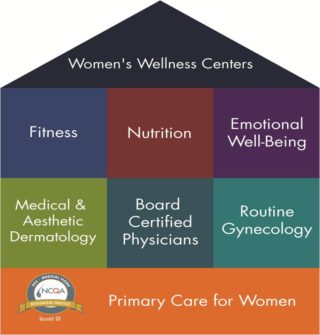
In developing the Rittenhouse Women’s Wellness Center we wanted to create a Medical Home …a community exclusively for women where they could find a multidisciplinary team of women healthcare professionals who would understand them and be able to connect in a way that would help them improve their health and personal lives. We now support you, our community, (which has grown to over 12,000 women), with 9 board certified physicians along with 9 medical assistants, 6 psychologists, 2 registered dieticians, certified aestheticians and personal trainers.

The other force driving the development of our centers was to give our total community, including our staff and those we serve, a safe, attentive environment where women could get the care they need and deserve for the complex lives they now live (that is, balancing work and family). So, we designed a work environment where we emphasize two features. First, that women should not be conflicted in their multiple roles, so there would be what is now a luxury in life, that is, time. Second, we have created a setting where women can feel supported and acknowledged for the difficulties they have in fulfilling their roles in healthful ways. We designed our practice as a place where there would be time to pay attention to details and time for a personal life and work. We want to provide these same elements to you, our patients, by giving you longer appointments than is customary in primary care and immediate access to our staff via email, phone and leaving time open for your urgent matters. It is in these ways that we are trying to create a sanctuary, where time temporarily slows down so that connection with yourself and expert others can allow effective healing to occur.

I feel honored to be part of such a venture and have a great commitment living up to the principles behind our centers. Although you won’t see me on site (I work behind the scenes to adhere to our women only environment), if you have questions or concerns please feel free to email me directly at rsaltzman@rwwc.com or when you come for your visit and want to meet me please request a time and I will gladly make myself available to meet with you.


31/Jul/2013

Healthy Breakfast Bars

  • 1 ¼ cup almond flour
  • ¼ teaspoon sea salt
  • ¼ teaspoon baking soda
  • ¼ cup grapeseed oil
  • ¼ cup agave nectar
  • 1 teaspoon vanilla extract
  • ½ cup unsweetened shredded coconut (optional)
  • ½ cup pumpkin seeds
  • ½ cup sunflower seeds
  • ¼ cup slivered almonds
  • ¼ cup raisins
  1. In a small bowl, combine almond flour, salt
  2. your hands with water to help pat the dough down evenly and baking soda
  3. In a large bowl, combine grapeseed oil, agave and vanilla
  4. Stir dry ingredients into wet
  5. Mix in coconut, pumpkin seeds, sunflower seeds, almond slivers and raisins
  6. Grease an 8 x 8 inch baking dish with grapeseed oil
  7. Press the dough into the baking dish, wetting
  8. Bake at 350° for 20 minutes
  9. Cool bars in pan for 2 hours, then serve

Makes 12-16 bars


Fall is just around the corner–back to school/work, and back to reality, for most of us. An important part of getting back into the swing of things is making sure your routine health screenings are in order. Many of the screening guidelines we have all grown up with have been changing as we learn more about the natural histories of many chronic diseases, so it’s important to make sure you are where you need to be in terms of prevention. The most obvious screening exam, and the gatekeeper for most others, is the “Physical”, or Periodic Health Maintenance Examination. As the name implies, the purpose of this exam is to ensure you are “maintaining” your optimal health by keeping up to date on preventive screenings and incorporating health-promoting/protecting habits into your lifestyle. It is different from the “problem-focused” visits most people schedule–rather than talking about headaches or skin rashes or other specific medical concerns, the physical focuses on preventive tests, behaviors, and immunizations. What are these?

For starters, vaccinations do not end when you graduate college; there are a number of shots that are specific to adult populations. All adults should receive a Tdap (Tetanus, Diptheria, and Pertussis) vaccination every 10 years. Even if you have had a recent Tetanus-only vaccination, you still need the Tdap shot. Pertussis has again become prevalent; it can be deadly for infants or immunocompromised people, and can be very debilitating even for healthy adults. Pneumococcal (pneumonia) vaccination is advised for all adults aged 65 and older (and for some younger patients with chronic health issues). The Shingles (Zoster) vaccine is recommended for adults 60 and older, as this age group is disproportionately affected by this condition. And annual influenza vaccination is recomended for virtually everyone now. Finally, for the adult population 26 and younger who have not yet received the HPV (Gardasil) immunization series, this may be indicated.

Aside from shots, different people require certain blood screenings. Recommendations from expert groups vary on some points, but baseline cholesterol screening at a minimum is important. Adults in the “baby boomer” generation should have a one-time Hepatitis C screening. Individuals with certain family histories, risk factors, or symptoms may need additional screening for diabetes, anemia, or thyroid conditions, among other screenings. These are decisions that can be made at your physical based on the conversation you have with your doctor.

Cancer screening remains of the utmost importance; here again, however, screening recommendations vary, so it’s important to discuss your specific risks and the appropriate screening interval for you with your doctor. Currently, cervical cancer screening (the “pap test”) is recommended for most women ages 21-65 at an interval of 3-5 years. Mammograms are recommended from 1-2 years from ages 40-75 by varying expert group; some advise screening to later ages, as well. Clinical breast examinations by a doctor are typically recomended every 1-3 years for women aged 21-39, and annually for women aged 40 and above. Colon cancer screening begins at age 50 and is recommended until age 75 or older, depending on the screening guidelines you are following and a patient’s specific risk factors.

There are additional screening tests that again, may vary among individuals. Bone density testing with a DEXA scan is typically begun in women at age 65, but sooner for women with certain risk factors. Dental exams are recommended for all adults every 6 months, or as directed by your dentist. Eye examinations are recommended every other year for older adults.

This is just a sampling of the preventive health measures that every woman should be aware of, but it is by no means exhaustive or one-size-fits-all, as you can see. The best thing to do is to schedule an appointment for a Health Maintenance Examination (Physical) with your doctor to evaluate your health status and get on a schedule for the preventive measures that are appropriate for you.


Since the summer heat is in full blast this week, it is important that you stay hydrated, especially during physical activity. Proper hydration is one of the most important aspects of physical activity. Drinking adequate amounts of fluids before, during and after physical activity is vital to helping your body prepare, sustain and recover after physical activity.

First things first, know if you are properly hydrated before participating in physical activity. A way to measure your hydration status is by checking the color of your urine. Clear or pale yellow urine is a sign of appropriate hydration. Dark colored urine, the color of apple juice or tea, indicates dehydration. To prevent dehydration before exercise, The Academy of Nutrition and Dietetics recommends consuming 16 ounces of fluid 2 to 3 hours before the start of physical activity.

To maintain proper hydration during exercise, it is recommended to consume 8-12 fluid ounces every 15-20 minutes during exercise. The duration of physical activity matters when choosing which fluids to hydrate with. For instance, for short durations (<60minutes) low to moderate intensity activity, water is the best choice to drink before, during and after exercise. On the other hand, sports drinks such as Gatorade or 100% natural coconut water are good options for hydration when participating in moderate to high intensity activity lasting longer than 60 minutes. These types of fluids help to replace carbohydrate and electrolytes that are lost during exercise.

Post exercise hydration should include consuming 24 ounces of fluid for every pound lost during exercise. A person should weigh themselves prior to exercising and then after exercising to determine how much fluid is needed to rehydrate adequately.

If you are not participating in physical activity during times of extreme heat, it is still important to stay hydrated throughout the day. Try to apply these simple tips to your daily routine so as to avoid the harmful effects of dehydration.

  1. Drink a tall glass of water every morning when you first wake up. Try placing the glass next to your bed the night before so it is ready & waiting.
  2. Drink water at every meal. You’ll stay hydrated and cut the calories from sugar sweetened beverages.
  3. Consume water filled foods such as fruits and vegetables to stay hydrated and to maintain optimum health.
  4. Add a splash of all-natural flavor. If the taste of water is keeping you from drinking your fair share, add a bit of lemon, mint or cucumber to jazz up the taste.
  5. Carry a water bottle with you wherever you go.
  6. Set a reminder on your phone to drink water every hour.


With the climax of summer upon us, now is a very important time to be listening to the signs your body is sending you.

It is always important to be aware of what your body is telling you. Whether it’s that you are hungry, in pain, or tired, part of living a healthy lifestyle includes reading the signs your body gives you and responding accordingly. This is increasingly important as the temperature and humidity rise in the summer time. Be aware of the signs and symptoms of heat related illnesses and dehydration.

There are a few heat related illnesses that can strike while exercising outside.

Dehydration is due to fluid loss or conservation in the body. Symptoms include thirst, dry mouth, weakness/dizziness, confusion, fainting and inability to sweat.

Heat cramps can be very painful, they are muscular contractions that usually affect the calves, quads and abdominal muscles. Your body temperature may remain normal.

Heat exhaustion is when your body temperature rises, it can get as high as 104 F. you may be nauseas, experience vomiting, headaches, weakness, fainting, and your skin may be cold and clammy.

Heat stroke is extremely dangerous and can be life threatening. It occurs when your temperature rises above 104 F. Your body may stop sweating (Sweating is a natural temperature control system your body has. Keep drinking so you can keep sweating!) and you can become confused or irritable. Brain damage and organ failure can occur if you do not seek medical attention.

To help prevent heat related issues keep a few things in mind.

  1. Time of day is important. Try to stay inside during peak heat hours (10 am-3pm)
  2. Wear loose, light colored clothing
  3. Wear sunscreen
  4. STAY HYDRATED. Drink before beginning your work out and every 15 minutes during, even if you’re not thirsty
  5. Make sure to replenish your electrolyte and salt intake. Your body loses these things while sweating and making sure to replenish them will keep you feeling good!
  6. Try to choose shaded areas when running or biking
  7. Look at the weather forecast, if there is a heat advisory you may be best to keep your work out inside!
  8. LISTEN TO YOUR BODY! Be aware of these signs and if you feel any of them, stop exercising immediately and, if necessary, get help.

The professionals at RWWC are always happy to help! Call and make an appointment today!


Many of my clients are coming to me and asking about gluten – what is it and why are people avoiding it? Why all of a sudden is everyone talking about gluten and who should be concerned? I hope to answer these questions in this article.

Gluten is a storage protein that is found in wheat, rye, barley, and some oats Oats contain gluten from contamination in the facility. The main two groups whereas gluten is problematic are for people with Celiac disease and gluten sensitivity. Celiac disease is one of the most common genetic disorders in the world and affects about 1% (~300 million people in US alone) of the population. It is an autoimmune disorder where the body attacks itself. Every time even small amounts of gluten are eaten, the body attacks itself and the lining of the small intestine. The small intestine is where we absorb most of our dietary nutrients. Therefore, malabsorption and malnourishment can occur if the small intestine is affected. A lifelong and strict gluten-free diet is necessary with this condition.

Gluten sensitive people test negative for Celiac disease but symptoms improve when gluten-free. Gluten sensitivity occurs in about 6-10% of the population. This means that 90% of the population has no sensitivity to gluten at all! Gluten sensitivity often affects people with Irritable Bowel Syndrome (IBS), autoimmune diseases (Rheumatoid Arthritis, Multiple Sclerosis, Crohns, and Type 1 diabetes), and individuals with inflammatory conditions (Lyme disease, fibromyalgia).

The symptoms for both types of people overlap which can be confusing. Common symptoms include stomach pain, diarrhea, gas and bloating. Symptoms can sometimes be silent even while damage is still occurring. Long term health risks for Celiac disease include anemia, osteoporosis, cancer, infertility and other autoimmune diseases.

It is always recommended to get tested for Celiac disease before going gluten-free because individuals must be eating gluten for the test to be accurate. A celiac test is a blood test that is about 95% accurate. There are no great diagnostic tests yet for gluten sensitivity. Try a gluten-free trial for 2-3 months to see if symptoms improve.

So how does one adapt a gluten-free lifestyle? The important point is to eat REAL and unprocessed foods. Elimination of gluten will then be straightforward. Real foods include fruits, vegetables, nuts, seeds, beans, eggs, milk, most yogurts, chicken, fish, wild rice, herbs and honey. Gluten-free grains include amaranth, brown, white, and wild rice, buckwheat, corn, millet, quinoa and teff.

Dining out and social occasions can be the biggest challenge. Always ask questions and look at the food packages. Certain organizations certify foods as “Gluten-Free”. We have labeling laws for wheat – it will either be listed in ingredients or it will state at the bottom, “Contains Wheat”. Some medications and supplements also can contain wheat. Also, scan for words like malt, malt flavoring, malt vinegar, brewers yeast, and beer (these foods contain barley). Other foods to avoid include spelt, durum flour, kamut, semolina, bulgar, farina and graham flour.

Are “Gluten-Free” foods always healthy? This depends. The ingredients will be a good indicator whether or not the food is a healthy choice or not. Just because a food is labeled as such does not necessarily indicate it is healthy. Stick with foods containing wholesome ingredients with words you can pronounce and understand. Still confused? A Registered Dietitian can work with you to better understand if elimination is right for you.

Here is a simple and delicious gluten-free cookie recipe to try:

Easy Gluten-Free Blueberry Crisp

Ingredients:

  • 2 pints fresh blueberries, or any berries, picked over, rinsed, drained
  • 1 cup Pamela’s Ultimate Gluten-Free Baking & Pancake Mix or GF baking and pancake mix
  • 3/4 cup organic light brown sugar, packed
  • 1 teaspoon ground cinnamon
  • 1/3 cup Spectrum Organic Shortening

Instructions:

  1. Preheat oven to 350ºF. Generously schmear a pie plate or 8×8-inch baking dish with butter or vegan shortening.
  2. Sprinkle a pinch or two of the Pamela’s mix onto the blueberries and toss to coat. Pour the blueberries into the bottom of the dish.
  3. In a mixing bowl, combine the 1 cup of the gluten-free baking and pancake mix with the brown sugar and cinnamon. Add in the shortening by hand; and rub the mixture between your fingers until it resembles sugary coarse crumbs.
  4. Layer the crumbs over the blueberries. Bake in a preheated oven until bubbly – about 30 minutes.

Serve warm, topped with a scoop of vanilla ice cream, frozen yogurt, or your favorite non-dairy frozen dessert, if desired.

Makes four generous servings.

Recipe Source: glutenfreegoddess.blogspot.com



The summer season is in full swing which means it’s officially time to heat up the grill! A BBQ is associated with thoughts of burgers, hot dogs, potato salads, and cupcakes; however this summer season I encourage everyone to put a healthy twist on their traditional BBQ. That’s right; it is possible to host a delicious BBQ for your friends and family while still being good to your waistline. Try these guilt free, yet delicious tips at your next BBQ to keep your health in check and your guests taste buds satisfied.

Offer leaner meats at your event. Serve your guests properly portioned, 3-4 ounce, boneless, skinless chicken breast with grilled pineapple and a side salad for a Hawaiian themed party. Introduce the flavors of a guiltless turkey burger on a whole wheat bun; you’ll save on fat and calories while still providing a “burger” option to your guests. Try topping burgers or sandwiches with avocado instead of mayonnaise to cut down on empty fat calories!

Another lean yet flavorful option to serve at your healthy BBQ is fish. Fish is a good source of protein and unlike other fatty meat products; fish is not high in saturated fat, in fact it is a good source of omega 3 fatty acids which have been shown to help support heart health and decrease inflammation. Try preparing grilled fish topped with mango salsa and served with a mixed green salad to provide a tropical feel to your backyard BBQ.

Go lighter on the sides. Instead of offering mayonnaise rich potato or chicken salad offer bowls of fruit salad, five bean salad, grilled vegetables such as sweet potatoes, corn on the cob and peppers, or a whole wheat pasta salad made with balsamic vinaigrette. These options replace the calories from high fat sides of a typical BBQ but they sure don’t skimp out on the flavor!

Don’t forget about dessert! Serve your guests fruits that are in season to add a more fruity and sweet taste to your desserts. Raspberries, blueberries, strawberries, watermelon and pineapple all make great toppings for frozen yogurt, sorbet or angel food cake. You can also use these delicious fruits to make a colorful fruit and yogurt parfait topped with crunchy granola.

Whether you are celebrating summer with your friends and family or having a quiet evening at home, these tips will leave you feeling healthy and satisfied while kicking the guilt and the grease of traditional BBQ’s to the curb.


The summer is finally here and with summer time comes vacationing. Maintaining healthy eating habits while on vacation can be a challenge; it’s tempting to overindulge. However there are ways to still go on vacation and not derail your healthy eating habits. Entering your getaway with some ideas about how to eat healthy while still enjoying yourself will keep you on track. Here are some tips to encourage healthier eating while on vacation without making you feel deprived.

If you are driving to your destination try to pack a cooler filled with healthy snacks such as high fiber granola bars, apples, bananas, peanut butter and jelly on whole-wheat bread, baby carrots and celery sticks in a plastic baggie, and trail mix. By packing these snacks you may be able to avoid the temptations of purchasing fast food and other high calorie convenience items.

Watch your beverages. Beverages can be a hidden source of calories that really add up. Water is a better choice than tea, lemonade or soft drinks that contain added sugar. Keeping a bottle of water with you at all times will help you stay hydrated and help curb hunger by adding volume to your stomach.

Make time to work out or be active. When researching hotels for your stay or locations of your getaway, check to see if the place you are staying has a gym or is located near areas for walking, biking, swimming or hiking. Exercising may be the last thing you want to do while you are on vacation but it’s a great way to burn some calories while experiencing the destination in which you are vacationing.

One meal that can really sabotage your healthy eating routine is breakfast. Because you are on vacation, you might be tempted to order from the buffet or indulge in gourmet options such as eggs benedict or pancakes with sausage. Instead of choosing either option, a healthier food to order off of the breakfast menu is yogurt. Yogurt contains protein and is generally low in calories. Yogurt is also available on almost any breakfast menu and sometimes it is listed as a side dish. If possible, ask for low-fat yogurt and a side of fruit and granola. This way you will be eating healthy without feeling like you’re depriving yourself. If you are only offered breakfast through a buffet, choose whole grain oatmeal or whole grain toast with a smear of peanut butter for a nutritious and hunger sustaining meal.

Eat consciously when out to lunch or dinner. Try to eat relatively lean and avoid refined carbohydrates and sweets. If you order a hamburger, eat it without the bun. Substitute french fries for a sweet potato, side salad, or a side of mixed vegetable. Ask the server if you can have your main dish either boiled or baked instead of fried to slash fat and calories in half. Another way to prepare for eating healthy before dining out is to research restaurants menus beforehand.  Choose dishes without creamy sauces; ask for dressings to be placed on the side of your salad, and share both an appetizer and a main entree with someone dining with you.


Exercise truly is the fountain of youth. Study after study, regular workouts have been proven to have a multitude of positive benefits on your mind, body and soul. Participating in regular exercise helps prevent heart disease, lowers your risks for certain cancers, Alzheimer’s, and strokes, as well as lowering “bad” cholesterol and increasing “good” cholesterol. Exercise regulates hormones, improves blood flow, and keeps your colon and intestines healthy. It releases chemicals that put you in a better mood, relieves stress, and can help you unwind after a long day.

Routine exercise can also reverse some of the signs of aging we feel in our muscles and joints as we approach middle age. Aches and pains surface that we didn’t feel in our youth. It is a little harder to get up off the floor or out of a chair. However, new research suggests that by participating in regular, moderate to vigorous cardiovascular exercise you can delay your biological aging by 10-12 years.

After your 20’s, your aerobic capacity decreases consistently. Eventually, it will dip so low that it becomes extremely difficult to perform regular daily activities without fatigue, let alone regular exercise. Starting an exercise routine at any point can begin to reverse some of the aging that has taken place, even if you have lived a fairly sedentary life. So get up and move. Be sure to push yourself during your cardio sessions or use interval training, which has built in times of rest! Challenge your heart and lungs. Increase your aerobic capacity, and begin to reverse aging!

To help you on your fitness journey call RWWC today and schedule a consultation with a member of our fitness staff!


A Note from RWWC

“Since our founding in 2008, our goal has been to provide primary care for women. Our team of physicians and nurse practitioners are dedicated to providing preventive care, diagnosis and treatment of acute and chronic disease(s) and coordination of care with specialists.”

Contact Us

Copyright by Rittenhouse Women's Wellness Center. All rights reserved.