BLOG


We have all seen the commercials. A patient in obvious pain is shown with a terrible looking rash over a significant portion of his or her body. They are asking questions such as “why me?” and “what could I have done to prevent this?”. These patients have been diagnosed with shingles, and the suffering pictured can be accurate. Here’s what you needs to know about this disease and how to prevent a severe outbreak.

Shingles, also know as Herpes Zoster, is caused by the Varicella Zoster Virus (VZV). This is the same virus that causes chicken pox (varicella). After a patient has had the chicken pox or received the varicella vaccine, the VZV continues to reside in the nerve roots indefinitely. The VZV can then be reactivated, leading to a case of shingles. Any patient who has had the chicken pox or the Varicella vaccine is therefore at risk for shingles.

While most severe cases are seen in patients over the age of 60, shingles can occur at any age. Generally, individuals will only have one case of shingles in a lifetime, but recurrent cases are possible. Those who are immunocompromised are at higher risk of recurrence.

The hallmark symptoms of shingles are pain and rash. Approximately 75% of patients have pain prior to the rash developing. This pain is usually described as burning, throbbing or stabbing and can occur days to weeks prior to skin lesions.

The shingles rash starts as red papules (bumps) and evolves into grouped vesicles or blisters. After about 3-4 days the lesions may become pustular and will crust over at 7-10 days. Once these lesions are dry and crusted, the patient is no longer contagious. Because the virus resides in the nerve roots, the rash tends to involve a limited area on only one side of the body. The most dreaded shingles infection involves the trigeminal nerve located in the head. Infection here can lead to Herpes Zoster Opthalmicus, which can be sight-threatening. An individual with this manifestation will have lesions around one eye and the tip of the nose.

The most common complications of shingles include: post-herpetic neuralgia and bacterial superinfection of the skin lesions. Post-herpetic neuralgia is pain that persists at the sight of the rash for months to years following infection. It occurs in 5-20% of those with shingles and is more common in patients over the age of 60.

When discussing shingles with patients, the most common questions I hear relate to transmission and contagiousness of this disease. Let me try to break it down simply for you. You cannot give someone else a case of shingles. The VZV can be passed from contact with the skin lesions and is generally not airborne in an individual with shingles. Only people who have not had chicken pox or the varicella vaccine, or are immunocompromised are at risk when in contact with a shingles patient. If one of these individuals comes in contact with the active shingles lesions, they could go on to develop chicken pox, but NOT shingles. I am often asked about pregnant women and exposure to shingles. If the pregnant woman has had chicken pox or the vaccine in the past, there is very little risk present. That being said, I would recommend that a patient with an active shingles infection avoid infants, pregnant women and the immunocompromised until lesions have crusted over. It is advised to keep the rash covered and wash hands frequently to prevent transmission.

For older patients, there is a vaccine available to help prevent shingles. Though this vaccine will not prevent 100% of cases, it has the potential to reduce the severity of an infection and prevent the dreaded post-herpetic neuralgia. This vaccine is recommended in patients 60 and over (though it is FDA approved for those over 50). It can and should be given even if a patient has had a history of shingles. Talk with your doctor to see if the shingles vaccine is right for you.

In summary, the vast majority of the population is at risk for shingles. It is most common in older patients and those with weakened immune systems. The VZV responsible for this disease can be transmitted through contact with the skin lesions, but only those who have not had chicken pox or the varicella vaccine or the immunocompromised are at risk. If you are older than 50 talk with your doctor about getting the shingles vaccine.
The holiday season has passed, but the cold weather remains, these extreme temperatures can be wreaking havoc on your skin. With more cold months ahead, it is important to adjust your daily skin care routine and switch to a winter regime which includes staying hydrated, exfoliating, bumping up the moisturizer, and continued use of SPF.

Combating dry, dehydrated skin in the winter starts from the inside.  Dehydration can make the skin appear dry therefore wrinkles will be more prominent.
Stay hydrated by drinking plenty of water. Also, incorporating professional treatments such as Chemical Peels, Micro Planning, Microdermabrasion and Micro-needling allows for greater penetration of at-home products. These treatments work by exfoliating dead skin cells and creating micro channels in the surface, which in turn helps to create a healthier more vibrant complexion.

It is also important to switch out your moisturizer. It is common to use a light, non-oil based moisturizer in the Summer however, when the temperatures drop, it is a bit harder to keep moisture locked in the skin. Therefore, using a creamier, heavier textured moisturizer will be beneficial in keeping your skin smooth and hydrated.

For ultimate results, combining professional treatments with your at-home regime will help protect your skin from these harsh winter months. For the month of February we will be featuring the Avene product line at a discounted rate. These products are proven to be excellent for soothing, calming and hydrating the most sensitive skin.

Last but not least, the continued use of an SPF is always recommended. We are continuously being exposed to sun rays which can potentially cause sun damage and premature aging. UV rays reflected by snow increase these risks.

The skilled Medical Aestheticians at the Dermacenter Medical Spa can help customize a treatment plan and at home regime to battle the effects of winter skin. Please call us with any questions or to set up your complimentary consultation.


Hypertension, also known as high blood pressure, is when the blood flow through your blood vessels and arteries is too strong. As your heart beats, it pumps blood through your arteries to the rest of your body. As our blood pressure rises, the blood pushes harder against the walls of your arteries. This is natural during certain periods of your day, including when you first wake up and during exercise. However, prolonged high blood pressure strains the heart, damages vessels and kidneys, and increases risk of a heart attack and stroke. Heart disease is the leading cause of death for both men and women; however, it can be controlled and even prevented with a healthy diet.

The most common regime you will see for hypertension is called the DASH diet, or Dietary Approach to Stop Hypertension. This diet focuses mostly on limiting salt intake. The reason we monitor salt in regards to high blood pressure is because salt retains water. The more water we have present in our blood, the higher the volume of blood. Thus, more pressure is put on our vessels to transport the blood. The average recommendation for salt intake is <2,300 mg a day, but the DASH diet recommends <1,500 mg daily. This means inspecting our food labels since salt is added to the majority of processed foods. The DASH diet also includes eating more fruits and vegetables, whole grains and fiber, along with limiting saturated fats, cholesterol and trans fats, and sweets. It’s also important to make sure that there is enough potassium in the diet since this vitamin balances the salt in our bodies.

You may also notice that the DASH diet suggests the consumption of fish. This is because fish contain Omega-3’s, which are healthy fatty acids. These type of polyunsaturated fats help lower our bad cholesterol (LDL), and raise our good cholesterol (HDL). DASH is almost identical to the Mediterranean diet, which equates to a high consumption of fruits, vegetables, beans, nuts/seeds, and whole grains, and little to no red meat or dairy products.

Helpful tips on controlling blood pressure include following the DASH diet, maintaining a healthy weight, increasing physical activity, learning how to read a nutrition label and consider keeping a sodium diary to monitor your daily intake. Cooking and preparing your own foods is always better than eating out since you have complete control over the amount of sodium being added. You can also use spices and herbs rather than salt to flavor your foods. Be sure to have your blood pressure checked by your doctor and work with a dietitian to assess what behavioral changes are benefitting you so that you can improve your health and feel your best.


Obesity rates have more than doubled in adults and children with an estimated 64% of women being classified as overweight or obese (NIH, 2009). Obesity is measured by the body mass index (BMI) which takes into account one’s height in relation to their weight. A BMI greater than 30 is considered to be overweight.

Being overweight can increase your risk for developing many diseases including but not limited to the following: coronary heart disease, Type 2 diabetes, hypertension, sleep apnea and respiratory problems, joint disease, gynecological problems such as infertility and more. Weight loss can be the cure for many of those diseases, so it is important to take control of your health and seek help and treatment when it is necessary.

Many diet programs advertised online, in magazines or on television are available at your fingertips, but do they really work and if they do, how long can you keep that weight off?

The weight management program at Rittenhouse Women’s Wellness Center is designed to help educate you on the right way to lose weight for the long-term. Whether or not you have a chronic disease or could just stand to lose a couple pounds, our program is available to individually tailor your needs to meet realistic weight loss goals.

The program consists of 6 months of nutrition counseling with Angela, one of our Registered Dietitians, who will do a formal assessment that includes an analysis of your current diet, nutrition education, and meal planning advice. The program also includes 2 comprehensive follow up appointments with Catherine, one of our Nurse Practitioners, who will monitor your weight, blood pressure, and any laboratory work as needed, in order to help you see the progress in your overall health as you lose weight.

Unlike fad diets that can be restrictive and difficult to maintain, RWWC’s weight management program will focus on three essential components: healthy eating, lifestyle modifications, as well as ways to incorporate physical activity into your daily routine that will help you lose weight and keep it off.

If you are interested in losing weight, have chronic conditions like PCOS, diabetes, or high blood pressure, or have a BMI over 30, please contact the front desk or your provider to see if this program is right for you.


Many women’s New Year’s resolutions include losing weight, getting toned, eating better and overall implementing a healthier lifestyle. Proper nutrition, fitness, and even skincare are all factors to consider in making these resolutions a reality. The aesthetic skincare treatment, Vela Shape can help you achieve your goals by contouring the body and smoothing out unwanted cellulite leaving the area looking tighter, smoother and overall more toned.

Cellulite is commonly found mostly on women, causing an unpleasant dimpling effect due to fat beneath the skin that is trapped between connective tissue. Vela Shape combats the “orange peel” appearance by using combined RF and IR energy followed by a vacuum manipulation which for many clients feels like a hot deep tissue massage. Treatments are typically done on a weekly basis for a minimum of 5 sessions and take about 45 minutes depending on how large the area is.

If you have further questions regarding Vela Shape or if you would like a complimentary consultation to see if Vela Shape would be appropriate for you please call the Dermacenter at 215-735-7990.


I’d like to address some common misconceptions about daily medications used to treat depression and anxiety. These medications are classified as antidepressants or antianxiety medications, and work by affecting the neurotransmitters in the brain, chemicals that help transmit signals. One person can have mostly depressive symptoms and benefit from the same medication as a person who has crippling anxiety but doesn’t feel a bit depressed. Though lifestyle changes and seeing a therapist can help many with mild symptoms, if your depression or anxiety persists despite this (or it prevents you from being able to take these steps) it does not mean that you failed or that you just didn’t try hard enough. Sometimes you need some additional help for a time and that is okay.

Like most medications antidepressants or anti-anxieties come with a long list of potential side effects, but the doctor will review the most serious and most common ones with you before prescribing. Everyone is different – you may experience a lot, some, or none of the side effects. These medications are not “happy pills,” nor are they intended to make you feel numb or like a zombie; if you are feeling this way then it may be a sign that it is not the correct medication or dose for you. The goal is to make you feel more like yourself!

Often I will hear people say that they don’t want to use these medications because they see them as a crutch. I like to think of them more like a cast; they help hold everything in place while you do the work of healing. Then you take them off.

Many people worry if they start taking a pill then they will be on it their entire life. Though there are people who continue to take daily medication for decades, a vast majority will be on it for a much shorter time. Part of the process is a regular and ongoing reassessment. When a medication is first started, your doctor will have you come back in about six to eight weeks to see how it is working. Once they have found a medication and a dose that works for you we generally have you follow up every six months or so thereafter to see how you are doing. Timing, of course, varies from case to case. If things are going well then you may feel like it is a good time to stop the medication. If things are still not that great then you should continue the medication and check back in in a few months. These are not medications you want to stop abruptly; they can have some pretty unpleasant withdrawal symptoms, so your doctor will wean you off of them by incrementally decreasing the dose over a period of time.

Medications are not for everyone but having correct information is a great first step in determining if something is right for you. If you would like to learn more about treatments or talk over how you have been feeling please come in, the doctors at Rittenhouse Women’s Wellness Center are always here to talk and to listen.


Shopping, baking, cooking, visiting, feasting, attending parties, drinking alcohol, money woes, loneliness, expectations for connection and fulfillment. What do these words all have in common? They are descriptors of our daily lives during the holiday season.

These words and the following video give a great summary of what usually causes stress around the holidays. “Stress” is the body’s reaction to being overstimulated for extended periods of time. While our bodies are designed to withstand short bursts of mobilization, days on end of late hours, overeating, worry or a feeling of isolation can produce symptoms of moodiness, fatigue, pain, headaches and more.

Luckily, this video also gives some great tips going through the holidays and minimizing wear and tear on our brains, our bodies and our emotions. As a psychologist, I would also like to add a couple of tips gained from talking to people about their stress for the 33 holiday seasons of my career:

1) Take breaks from group and chronic activities. Allowing time for your body to recuperate from chronic stimulation will help it respond to stress with more resilience.

2) Consider staying in a nearby hotel if possible instead of staying with your family. This will provide natural breaks for rest and to maintain perspective.

3) Hydrate well. This helps to keep your energy up, maximize a feeling of fullness that helps curb overeating, and counteracts the possibility of overindulging with alcohol.

4) Make aspirations BEFORE the holiday season as to what values are most important for you to live out during this time (for example generosity, connection, being even tempered, demonstrating love or thoughtfulness). Write down your aspirations where you can see them each morning, to remind you of what you are striving for.

5) Be realistic. None of us live the lives of people in T.V. shows or novels. Each of us have quirks and imperfections, and most days are highly imperfect! Expect some stress and imperfection each day to decrease your possible disappointment.

Randi Platt, M.Ed. is a Psychologist, the head of psychology services at the Rittenhouse Women’s Wellness Center, the Executive Director of Hornstein, Platt and Associates Counseling Centers, and a teacher of meditation at Thomas Jefferson University who has enjoyed being a healer in Philadelphia for the last 33 years.


BirthControl_copy.png

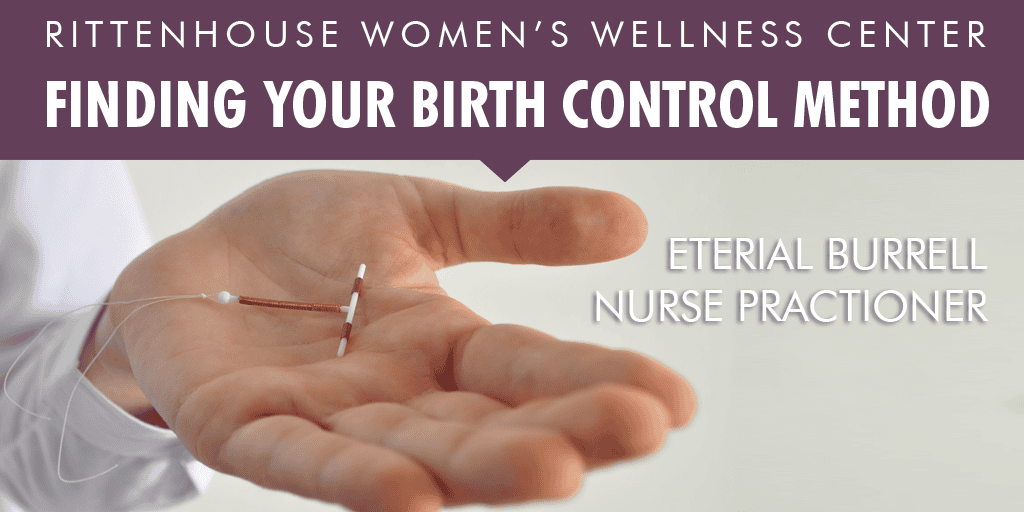
Did you know that approximately half of all pregnancies are unintended?  Pregnancy and parenthood have a lasting impact on a woman’s emotional, mental, physical, and financial well-being, so it is best to approach the decision to have children seriously. More and more women are postponing childbearing or opting to have a life without children. Careers, relationships, living and financial situations are frequently changing for women of this generation and are common reasons why women are seeking birth control. Being proactive and exploring your options now is key to family planning. So let’s talk birth control!

Hormonal or Non-Hormonal?

There are several non-hormonal methods to prevent pregnancy. Natural family planning or fertility awareness method is a method in which a couple opts to avoid sexual intercourse or use a barrier method during times of ovulation. This requires careful planning and discipline; a woman must have regular menstrual cycles and understand when she is likely to ovulate to be successful in pregnancy prevention. There are various apps for smart phone users that can keep track of cycles and peak ovulatory days. The efficacy of this method largely depends on consistency and vigilance of the couple; it is unclear but suspected that as many as 25% of women experience unintended pregnancy within the first year of typical use of this method.

Other non-hormonal methods work by either creating a physical barrier preventing sperm from reaching the egg  (inhibiting fertilization) or killing sperm altogether. In general, non-hormonal methods tend to be less effective than hormonal methods, with the exception of the Copper-T IUD.  Male and female condoms are the only methods that can decrease the risk of transmission of sexual transmitted infections (STI/STD).  Examples of non-hormonal methods include:

  • Male or female condom
  • Spermicide
  • Diaphragm
  • Cervical cap (FemCap)
  • Copper – T IUD (Paragard®)

Hormonal birth control alters the hormone fluctuations in a woman’s body, thereby inhibiting ovulation, thinning the uterine lining, and/or thickening the cervical mucus. Hormonal birth control not only prevents pregnancy but it is also used to control heavy menstrual cycles, improve menstrual cramps, stop PMS, and even treat acne and unwanted hair growth. Studies also prove that prolonged use can decrease the risk of endometrial and ovarian cancer. But hormonal birth control does not come without risks and side effects. Some women may experience side effects including headaches, bloating, and mood changes. Also hormonal birth control may increase blood pressure, lead to migraines with visual disturbances, and carry a slight increased risk for stroke and blood clots, especially in certain health populations. It is also important to note that hormonal birth control does not prevent the transmission of STI’s. If used correctly hormonal methods tend to be more effective than non-hormonal methods. Examples of hormonal birth control include

Oral contraceptives (“birth control pill”) – a pill taken at the same time every day to prevent pregnancy.  There are both estrogen/progestin preparations and progestin-only preparations. It is the most commonly used hormonal method. Side effects may include nausea, bloating, and breast tenderness.

Ortho Evra® (“The Patch”) – estrogen/progestin containing patch placed on the skin (usually abdomen or buttocks) that is worn for 3 weeks and removed for 1 week to induce a cycle. Side effects are similar to the birth control pill.

NuvaRing® – estrogen/progestin vaginal ring placed for 3 weeks and removed for 1 week to induce a cycle. Side effects are similar to the birth control pill.

Depo Provera® (“The Shot”) – progestin-only injection given in office every 3 months. The shot may cause irregular bleeding and weight gain.

Nexplanon® (“The Implant”)– small, progestin-only rod placed in the upper arm in a quick office procedure. It is effective for 3 years. Most common side effect is irregular bleeding

Levonorgestrel Intrauterine Device (Mirena®, Skyla®, Liletta®) – progestin-only T-shaped device placed in the uterus at a quick office procedure. Approved for use for 3 or 5 years use. Most common side effect is irregular bleeding.

Which Method is Right for Me?

When choosing a birth control method several factors should be considered. Do you plan to have children soon or many years in the future? Does cost matter? How effective is each birth control method? How will a particular method impact my health? There is no perfect form of birth control that fits the needs of every woman, so approach your birth control choice with personal reflection. Speaking with a healthcare provider about what your needs is the best way to start the conversation. We offer various options of birth control at Rittenhouse Women’s Wellness Center. Please contact the office at 215-735-7992 to schedule your appointment and start the path towards taking charge of your reproductive health; your future depends on it.


CONTRACEPTIVECOVERAGE.png
02/Nov/2015

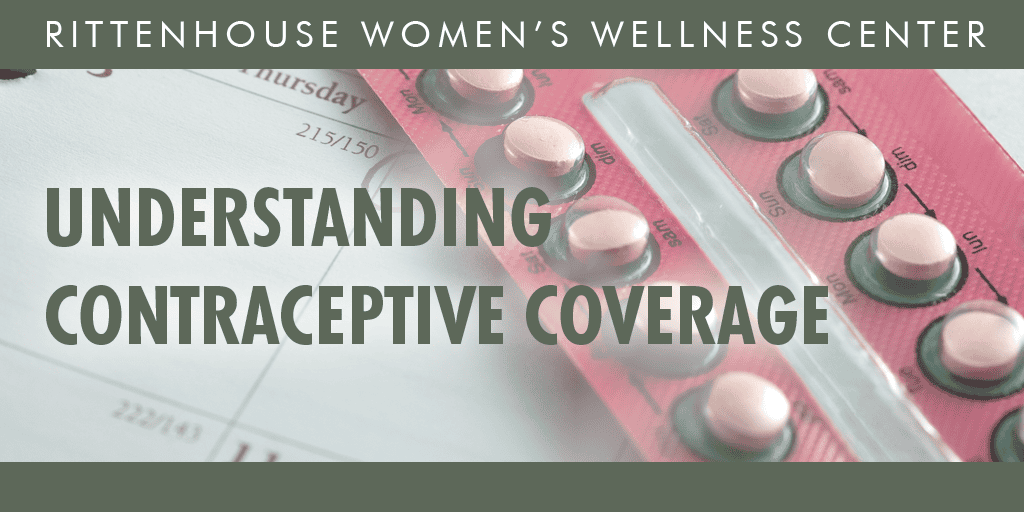
Contraceptive care is an integral part of women’s health and family planning. The choice to plan to bear children or not is an important decision, and the outcome can have life changing effects. According to the National Conference of State Legislature, almost half of pregnancies in the U.S. are unintended. Most women nowadays graduate college and are career driven. They would prefer to plan their pregnancies – and this is possible through the use of contraceptives. It is critical to understand your insurance coverage under changes in health care laws, which have pushed to expand women’s’ health care since January 2013 by requiring coverage of certain preventative health services and screenings, including contraception. Despite comprehensive coverage required by law, some employers have the ability to not offer contraceptives.

Required contraceptive care can be bypassed by employer’s plans that have been “grandfathered” in as well as those who opt out due to religious beliefs. Churches and other houses of worship are not required to include birth control coverage to their employees. Non-profit organizations that object to offering birth control because of religious reason may also do so, but women may still have access directly from their insurance company. You may remember the Hobby Lobby controversy, in which the for-profit “family-owned” corporation was able to refuse birth control coverage. In this case the Supreme Court decided that certain “closely-held” for-profit corporations can deny coverage on religious grounds. Figure out what your employer’s insurance plan allows and if it is in accordance with the law.

As mentioned earlier, most insurance plans now allow women to select an option to include contraceptive benefits at no additional cost. If you are sexually active and not looking to have children at this point in your life, (and your employer does not offer this benefit) you may want to talk to you Human Resources Director to see if this benefit can be added for you. Once you are ready to have children, you may talk to your health care provider about discontinuing your contraceptive care.

The bottom line: When you visit your health care provider regarding birth control, be sure you have contraceptive coverage and you should not have to pay a co-pay for your oral contraceptive.


EXCESSIVEHAIR_copy.png

There are many aspects of woman’s health, from internal medicine, emotional well-being, nutrition, even skin health and appearance. The Rittenhouse Women’s Wellness Center, strives to address a number of issues for overall health and wellness. Many internal hormonal issues that women deal with throughout different stages in life, like PCOS or Menopause, affect the physical appearance as well. These issues can cause excessive hair growth on the face, dry and/or oily skin conditions, or melasma. DermaCenter Medical Spa, is a vital part of the Rittenhouse Women’s Wellness Center, and has treatments and services to minimize the effect of certain physical issues for women living with these conditions.

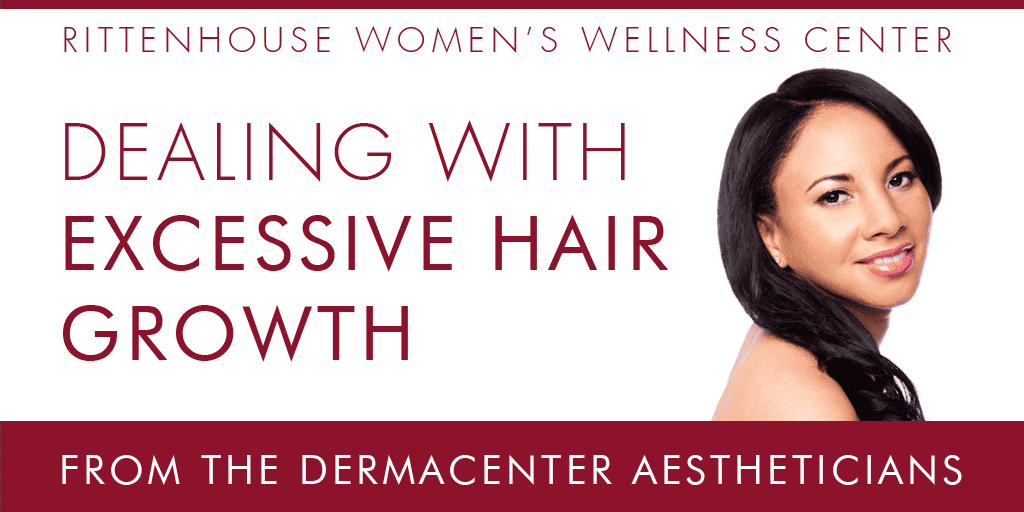
Excessive hair growth, especially in the facial area, is often seen on females struggling with PCOS. Our Aestheticians can perform laser hair reduction treatments that will inhibit growth making the hair that does come in lighter, finer and less abundant leaving the skin feeling and looking much smoother.

Other treatment options include Chemical Peels, Microdermabrasion and Micro Planning which can help combat dry/oily skin as well as hyperpigmentation. All three of these treatments are a form of exfoliation of varying degrees.  Microdermabrasion is a physical and superficial form of exfoliation that lightly buffs the surface of the skin allowing the dead skin cells that collect on the surface to be removed without causing any physical damage to the outer layer of skin.  Chemical Peels use a chemical form of exfoliation which allows the exfoliation to get to the deeper layers of skin, pushing out any damage that may have been cause by hormonal issues or sun damage.  Micro Planning uses a combination of both but also removes the hair off the surface of the skin allowing for better makeup application and a smoother feel to the touch.The DermaCenter also has a wide range of products that can be customized to individual’s needs.

If you are living with a condition that affects your skin, talk to our Aestheticians about our available treatments to find one that is right for you!


A Note from RWWC

“Since our founding in 2008, our goal has been to provide primary care for women. Our team of physicians and nurse practitioners are dedicated to providing preventive care, diagnosis and treatment of acute and chronic disease(s) and coordination of care with specialists.”

Contact Us

Copyright by Rittenhouse Women's Wellness Center. All rights reserved.